5 things to do to get the best from your strength training

Strength and conditioning training has become a worldwide favourite for people who focus on improving overall general health. Besides strengthening the core and the muscles, it is also beneficial in enhancing the agility and endurance of the body.

From obesity to metabolism and posture to movement, whatever be your health woes, strength and conditioning are largely considered to be the ultimate solution. While this seems to be an all-in-one technique, there are certain do’s and don’ts one must bear in mind to get the best out of this training. Let’s take a look at 5 key things that will help you draw maximum benefits from strength and conditioning training.

1. Warm-up and cool down:

Strength training focuses on major muscle groups like shoulders, chest, arms, back, abdomen, hips, and legs. Warm-up for at least 10 minutes before the exercise and cool down after the regimen is important to enhance muscle movement and reduce the chances of injury. A brisk walk or a jog for 10 minutes can be great for warm-up and cooling down can just as easily be done with stretches.

2. Using correct form and weight:

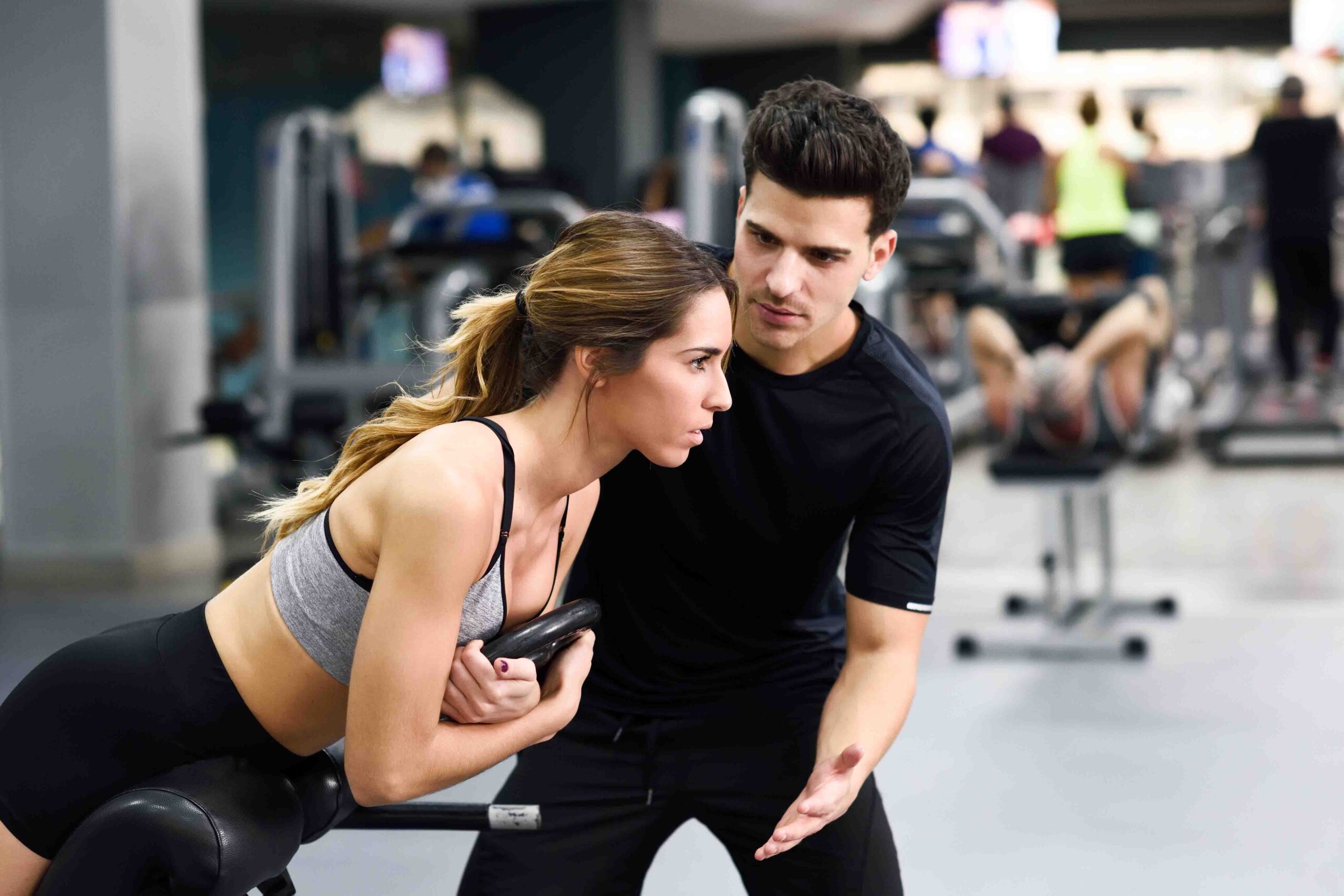
Most of the agility and endurance gained during strength training is because of the right alignment of your posture and the right weight for the level of resistance. If you are a beginner, it is in your best interest to start under expert supervision to get your posture right. Most of the trainers and experts advise starting the training with no weights, to promote the right form and then introduce the weights slowly to increase the resistance level.

3. Maintaining Tempo:

Control of movements while working with posture along with weights makes a world of difference in how fast and how effectively you gain from the exercise. It is ideal to maintain 3 counts and hold for all work out reps whether with weights or without.

4. Ensure Recovery Time for Muscles:

Strength and conditioning training is well known for the effectiveness of building muscles. The workout causes small tears in the muscles which need at least 48 hours to recover; as these tears knit up, they make the muscles stronger. It is therefore advisable to give your body 48 hours to recover before the next strength and conditioning training session.

5. Breathe!

Maintaining steady breathing during the strength training goes a long way in making a huge difference that the workout creates. While breathing is more or less an auto-pilot function of our body; adjusting it depending upon the varying levels of weight and resistance will help you maximize your gains. Breathing out when you are lifting weights and breathing in as you release the weight can help maintain appropriate body tension for strength building and to speed up muscle recovery.

Even if you are not an ardent athlete or weightlifting buff, strength training is a technique of workout which is promising enough to work out well for you. Among all the other benefits of strength and conditioning training, the most lucrative one is the fact that it helps you gain the strength and flexibility to actively and effortlessly perform your day to day activities.

Get in touch with our experts for further advise and training.
Benefits of Strength and Conditioning Training

Strength and Conditioning fundamentally is the cornerstone of practically applied sport science to create better movement patterns. It is no longer training related to elite athletes but can be utilized in Personal Training for your more advanced clients as well as better movement patterns for special populations.

Strength & Conditioning is fast becoming popular culture due in part to the mass media influence over the last couple of years.  Whether it is through your local CrossFit box or hitting the weights room in the gym people are starting to realize the many benefits that Strength and Conditioning training has to offer. Commercial gyms are incorporating a lot more performance style equipment into their gyms including Olympic lifting platforms, bumper plates, sleds and it is a trend that will continue.

Over the years I have often promoted the benefits to strength training to clients/coaches with research stating that strength training is critical to keeping our bodies healthy, especially as we age. It helps preserve muscle mass and increase your metabolism to burn more calories even when you aren’t working out.

For a trainer, education in this field allows for a better understanding of evidence-based research on the physiology of movement patterns and enhances knowledge of applying these skills to clients programming. A Level 4 Strength and Conditioning course will expand your portfolio to work with advanced clients, athletes and teams as well as educating all your current clients on the importance of moving better under load. You will gain extensive knowledge on how to appropriately integrate strength and conditioning into your programming.

What is Strength & Conditioning?

Strength and Conditioning are more than just lifting weights – It is a great way to transform your body by encompassing better movement quality, improved performance, reduction in injuries as well as an overall improvement in general health and fitness. It incorporates several methods including weight lifting, core, speed & agility, plyometrics, endurance and mobility which can be integrated into a wide variety of programs depending on the specific needs of the client

The ability to move better under load is important to everyone and with better movement technique with the big lifts such as squat and deadlift as well as the Olympic lifts client’s results will increase much faster through better proprioception, increased strength and power and enhanced motivation as their progress is evident.

Scientific meta-analysis studies on Strength and Conditioning focused training have shown several benefits, such as boosting longevity, improving the body’s awareness, relieve symptoms of depression, building muscle mass, and protecting against diabetes, back pain, and more. Plus, a growing number of women, in particular, have come to realize that lifting weights won’t necessarily make them bulky, and in fact, will help them burn more fat and boost metabolism. Research has found that the primary muscle type activated in strength training (Type 2 fibers) can reduce body fat without changes in diet.

Strength training could also be a good training approach to push through barriers and help with mental focus and mindset. It teaches you to push yourself when everything tells you to stop, getting used to be in uncomfortable situations and push past the comfort zone to reach the results you want.

In conclusion, Strength & Conditioning programming is much more than a method attributed to bodybuilders and athletes to improve performance, it is an important tool we can utilize to improve body shape and mental toughness as well as combat the signs of aging.


Blog by – John Coulter, @impulsefitnessHQ, www.impulsefitnesshq.com

Key skills which make it easier to become a certified personal trainer

Awareness about a healthy lifestyle has increased the demand for gym memberships, group and personal trainers and also the choice of workout.

UAE’s growing interest in staying fit and healthy has opened a host of opportunities for people who are interested in pursuing a career in fitness. But is it really simple to become a personal trainer in the UAE? Besides a lot of physical training, anatomy study, training courses, etc., here are some key skills which could make your journey to becoming a certified personal trainer easier and worthwhile.

  • Continuous Learning:

As a personal trainer, you are likely to meet people from diverse backgrounds, and with various body-types, the ability to decide what plan will work for which client is something that requires a good knowledge about fitness, fitness equipment, trends, and nutrition. While on the job, you will be expected to be the expert. To establish this you will need to continuously stay abreast of the latest progress in the industry so that you can give the best possible advice and guidance to your clients.

  • Excellent Communication Skills:

Excellent communication skills is more or less a necessity in any career you choose, and personal trainer is no different. The primary skill is effective listening. Lending ears to your clients, actively involving in conversation to demonstrate your empathy will give you insights about them.

The ability to articulate what you want to communicate in precise terms and in a friendly tone is another essential factor. This will come in handy to inform your clients of their current fitness level and the ‘hows’ and ‘whys’ of the fitness program that you will chalk out for them.

  • Power of Persuasion:

Being able to convince people of a certain workout regimen or a particular diet is not an easy thing. Your power of persuasion will play a significant role in this aspect. Identifying what angle of conversation works with the client and leveraging it to explain why a plan is essential for them will be of advantage.

  • Interpersonal Skills:

Your success in the field of fitness depends highly on the rapport that you can build with your clients and the trust that you are able to foster with them. If your clients have complete faith in you as their personal trainer, they are more likely to follow your instructions, and you will be able to do wonders with their health and fitness.

  • Flexibility:

Fitness doesn’t follow the rule of ‘one-size-fits-all’. As a personal trainer, flexibility to change the style of training or the fitness plan as and when required is crucial. Knowing when to push and show tough love as well as when to mellow down and be supportive is important. There may also be instances where your fitness plan might not be working at all, being acutely aware of such situations and the ability to change things for the better will be your saving grace.

  • Perseverance:

The work of a personal trainer is a demanding one and may, at times test your physical endurance and patience. Developing the quality of perseverance will help you not only to take care of your health but also to work through the toughest times and clients.

Aside from focussing on your own fitness and acing in your training certifications, these softer skills will prove to be the edge that you will have over other trainers in this growing industry. As you develop and specialize in these skills, you will be able to get better results from your training programs and sell your services better through your satisfied clients!